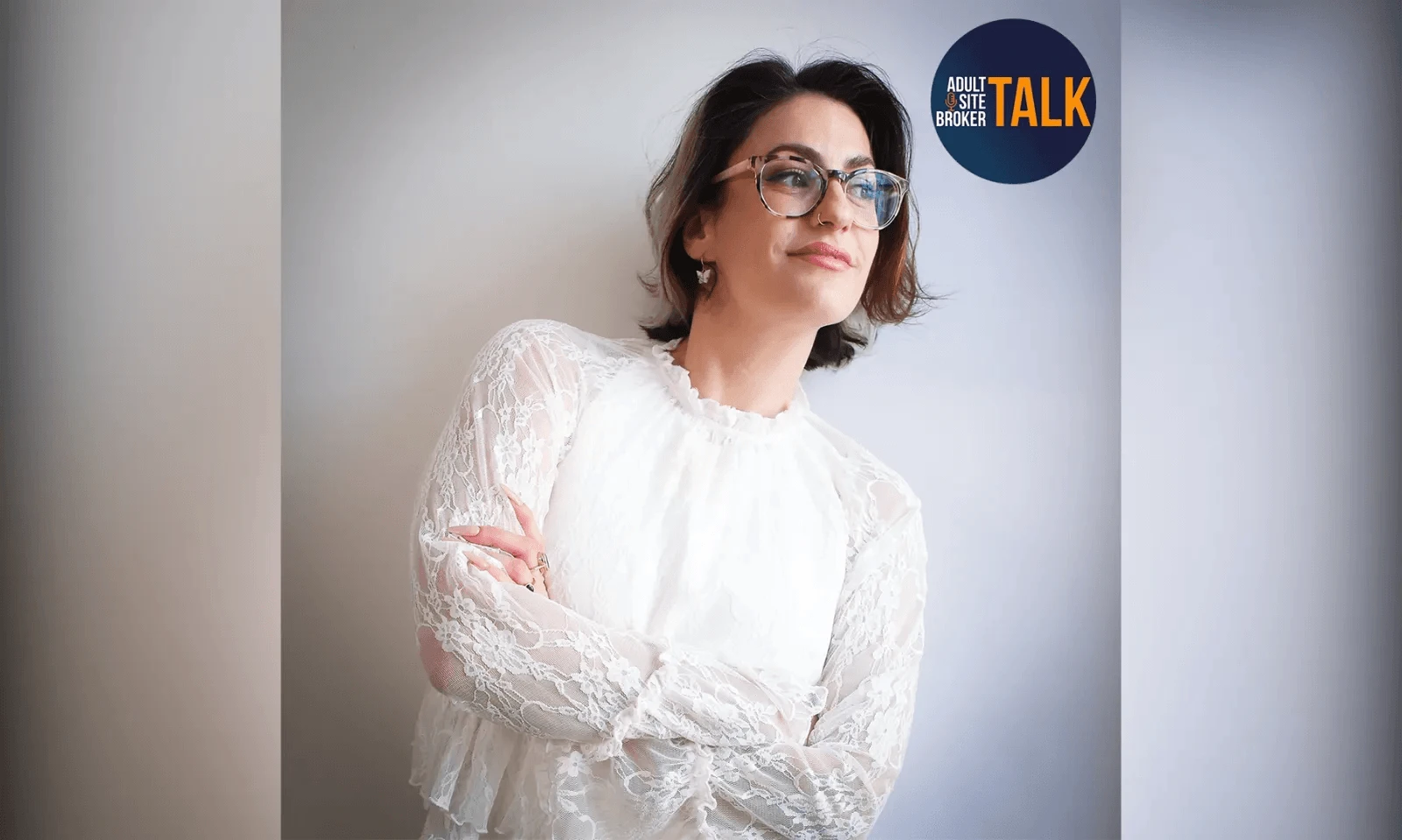

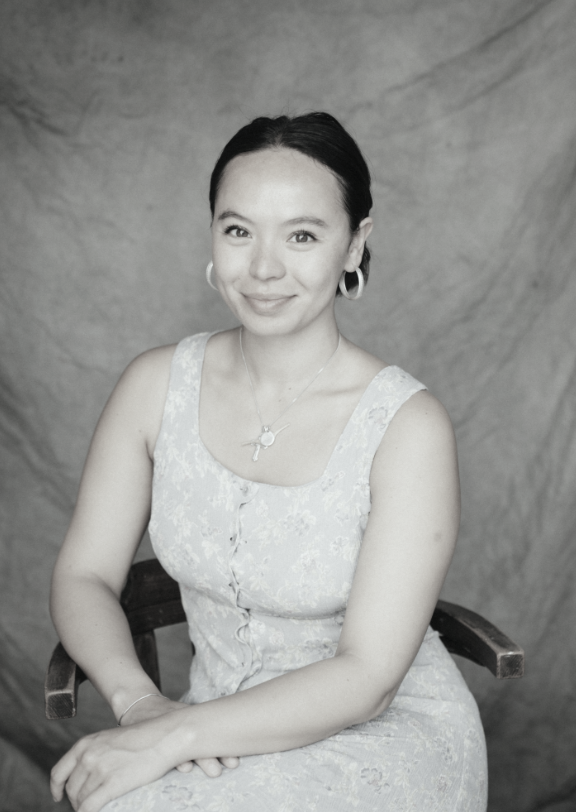
On day eight of our ‘Sixteen Activists or Organisations Around the Globe Fighting to End Digital Violence Against all Women and Girls‘ campaign, Soma Sara discusses dismantling rape culture through language and education, the impact of Everyone’s Invited in schools and the importance of including all genders in the conversation.
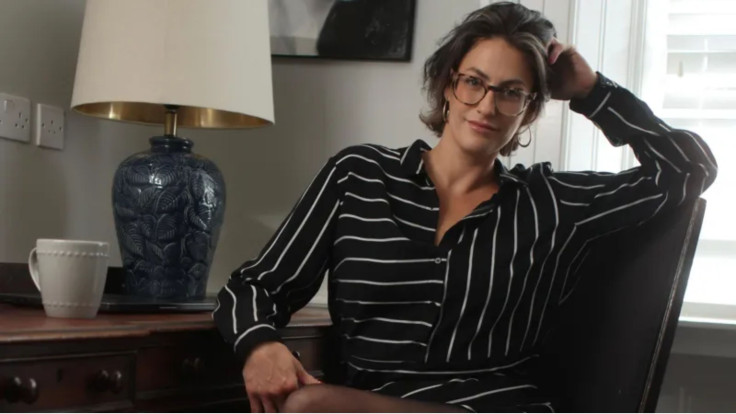
Soma Sara is the founder and CEO of Everyone’s Invited, a UK-based charity which challenges rape culture by creating space for survivors to share personal stories of sexual violence online and delivering specialist education in schools. One evening in 2020, Soma wrote down her own testimony, after “countless” conversations with friends exposed both the scale and normalisation of sexual violence. They were struck by the fact that these conversations were too quiet. Too forgotten. Soma felt rape culture wasn’t being spoken about enough.
Within weeks, hundreds of people were sending Soma their stories. Within months, it was thousands. To “hold these testimonies safely,” Soma created the Everyone’s Invited Instagram account and website. Soma explains the motivation behind this work has always come from survivors: “my experience is just one of millions. The sheer scale of what people so bravely have shared enabled us and motivated us to keep doing the work.” That moment of collective truth has become a powerful movement working to dismantle rape culture through storytelling, empathy and struggle for systemic change.
What started as a social media protest has since evolved into a powerful national conversation. With thousands of testimonies published on its website and a growing presence in schools across the UK, Everyone’s Invited continues to challenge harmful norms and promote healthier attitudes, especially among young people. This is critical at a time when Incel culture, the “manosphere,” and the global influence of figures like Andrew Tate are fuelling misogynistic behaviours in schools.
At the centre of this work is Soma’s belief that language, education and inclusion are key to building a future free from sexual violence. These efforts have been rightly rewarded. Soma was awarded an MBE in the 2025 New Year Honours List for her outstanding contributions to the fight against sexual abuse and rape culture. Soma also published a book, featuring a collection of essays that maps out the interconnected forces which sustain gender inequality.
In this interview, Soma talks about dismantling rape culture with language, the education programmes offered by Everyone’s Invited and the impact it’s having in primary and secondary schools, digital sexual violence prevention work, misconceptions about rape culture and the need to focus gender equality on all people.
Since its launch in 2020, the response to Everyone’s Invited has been extraordinary. What has the experience been like leading a movement that challenges rape culture across schools and wider society? Why is it so important that we define and confront rape culture directly?
It has been a huge journey – from grassroots activism to becoming a charity with 10 full time staff. It hasn’t always been easy; alongside overwhelming support, we’ve also faced backlash and challenges. But it has been hugely rewarding. Over the years, we have been uplifted by an enormous amount of support and generosity.
When we started… Almost every media platform that mentioned our campaign placed rape culture in inverted commas. A huge milestone… was seeing those inverted commas disappear in coverage of our primary school campaign…. language shapes understanding. Naming rape culture clearly and confidently is essential if we’re going to confront and dismantle it.
Your education programme now reaches pupils, staff and parents in schools across the UK. What do your workshops focus on, and how do they help communities understand and prevent rape culture?
Our education programme was created directly in response to testimonies that showed a lack of resources, language and support for young survivors. Our sessions now cover topics including gendered pressures, rape culture, sexual violence, sexual wellbeing, online misogyny and internalised misogyny. Every workshop is designed with young survivors at the centre. In fact, we now have a student advisory board who give us direct feedback on all of our content.
What we have prioritised is meeting students where they are at. We use pop culture, Tiktok clips, TV moments and real survivor experiences to highlight how rape culture shows up in their world. We’ve seen directly the impact of this approach. It sparks meaningful conversation and change. We know that preventative education works and so far, we have reached over 67,000 students in over 120 schools.
You’ve recently launched an early-intervention programme in primary schools. Why do you believe it’s essential to start these conversations with younger children, and how has the response been so far?
Yes, we’re incredibly excited about this project. After speaking to thousands of secondary school students, it became clear that rape culture was already entrenched within their peer groups. Secondary school education is sadly too often intervention, not prevention. That’s why we created and fundraised for our flagship primary school programme.
It is critical that we reach young people and equip them with the skills to navigate these issues before they arise. One of our Primary School campaign slogans last year was that we know education is not corrupting childhood, it’s students’ premature experiences that do.
The programme supports young people before these issues arise – building skills around healthy relationships, boundaries, consent, emotional regulation and digital literacy. We follow Year 5 students for two years, and also work closely with adults to ensure they feel equipped to guide children through conversations about misogyny, stereotypes and consent.
So far, we are three months into our programme, and it is showing fantastic results. Parents and staff feel more confident and young people are engaging with openness and honesty. We are so excited to see the results in full – there is so much more to come!
In your experience, what are some of the main barriers or misconceptions that still prevent open discussions about consent, boundaries and sexual violence in educational settings?
A major barrier is the belief that gender inequality doesn’t affect men and boys. The reality is that this impacts each and every one of us. The World Health Organisation has shown that in more gender-equal societies, men are less likely to die violent deaths, experience depression, die by suicide, or avoid contraception. This work improves the wellbeing of all genders, men and boys included.
In terms of misconceptions, there remain so many that continue to exist around rape culture, especially around what a “real” victim looks or acts like, or the idea that sexual violence is confined to dark alleyways and committed by “bad apples.”
At the heart of our campaigning and our work over the past 5 years we have continued to push the message that rape culture is systemic and pervasive. It is not confined to one community -it is everywhere. Until society fully accepts that, our work in this sector must continue.
Rape culture is reinforced online as well as offline. How does Everyone’s Invited address the digital aspects of sexual violence, such as online harassment, cyberflashing and non-consensual image sharing?
We focus on creating safe, honest conversations with the young people we work with. Many students feel genuinely afraid to talk about their online experiences. One young person recently told us that they believed they could go to prison simply for sharing an intimate image – an indication of just how much fear and stigma exists around this topic.
Our existing sexual violence session already covers image-based abuse, sextortion and AI-driven tech-facilitated harm. Educating young people, signposting resources if they experience it and encouraging empathy for survivors of online harms is key.
In our education programme, we are developing a talk specifically addressing pornography, AI and hypersexualisation, co-designed with our student advisory board. Current pornography education simply does not meet children where they are. We want to change that.
Looking ahead, what are your hopes for the future? How do you see Everyone’s Invited continuing to play a role in ending rape culture and building safer, more respectful environments for all young people?
I’m incredibly proud of what Everyone’s Invited has achieved. Five years ago, I was sitting alone with a story I could no longer hold. Today, I’m part of a community of over 52,000 survivors. Together, we’ve sparked essential conversations about systemic change and cultural shifts – and I hope the next five years deepen that progress.
In the next five years, we hope to deliver yearly education in at least 10% of UK state schools and to build an inclusive, intersectional digital support hub that reaches ALL survivors, using the insights from our testimony dataset to inform education and advocacy.
I hope the progress that we’ve already made continues to ripple into future generations understanding of rape culture. Preventative education must be prioritised and societally we must listen to survivors and learn from their experiences.