

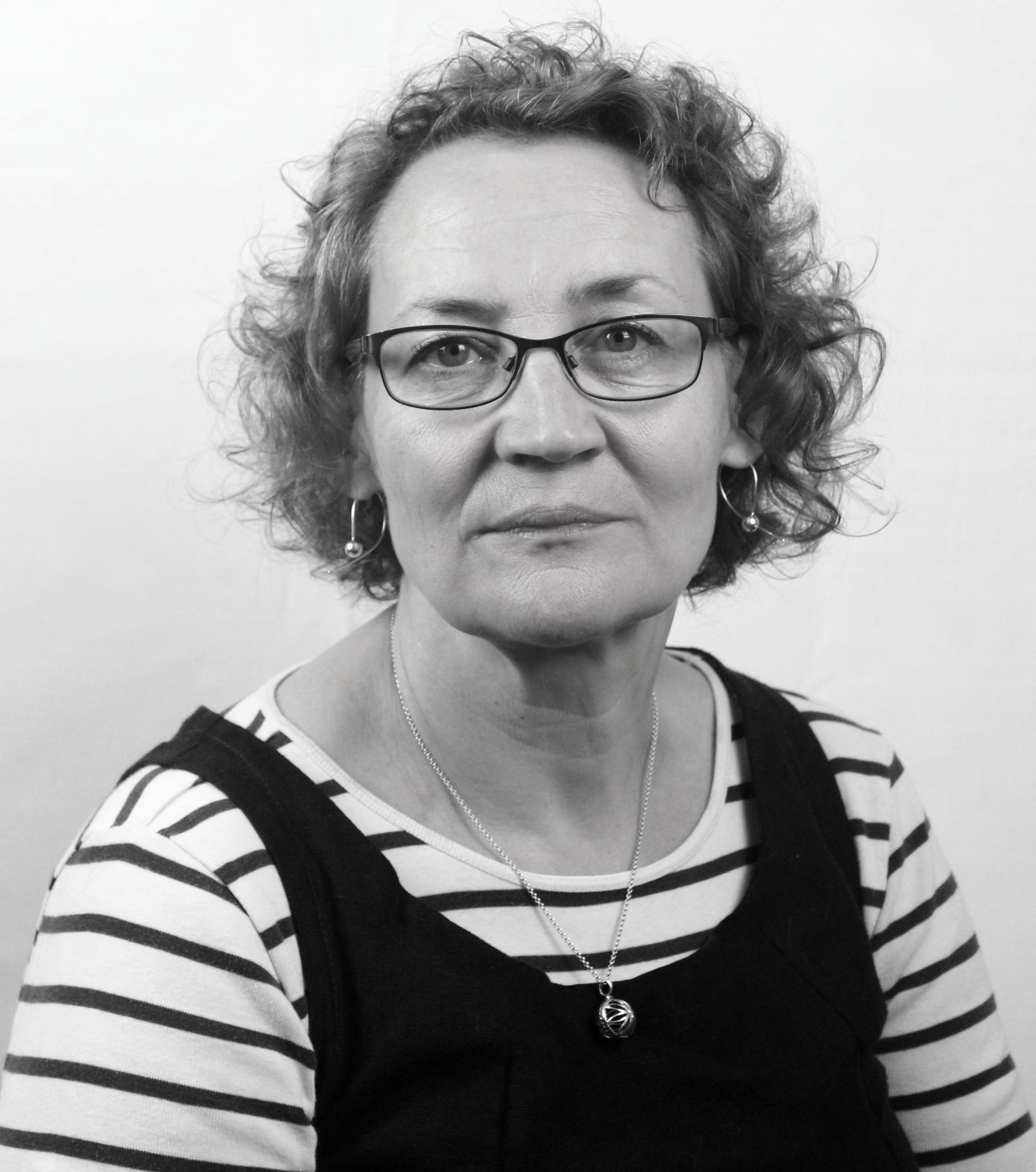
On day two of our ‘Sixteen Activists or Organisations Around the Globe Fighting to End Digital Violence Against all Women and Girls‘ campaign, Sophie discusses legal challenges, rising cases at the helpline, StopNCII’s impact, deepfake porn and the need for survivor-centred, intersectional understanding.
Sophie Mortimer is the Revenge Porn Helpline Manager at SWGfL. The Helpline, established by SWGfL in 2015, supports adults across the UK who are affected by intimate image abuse, offering specialist advice and help with removing harmful content online. Sophie joined the Helpline in 2016 because she was inspired by the opportunity to support people affected by this new but evolving issue.
Sophie has been working at the Helpline for nearly nine years. She describes an immediate attraction to the role when she came across it. As she took a deeper look into the impact and ecosystem of image-based abuse, she became fascinated by its evolution across both digital and legal spheres.
For Sophie, new legislation criminalising the non-consensual sharing of images “felt like a new departure to try and regulate online behaviour, recognising that abuse could proliferate online and that abusers would use any tool available to cause harm.” Sophie wanted to be at the forefront of attempts to reduce that harm and was fortunate enough to be in the right place at the right time. StopNCII.org was developed later as a means to protect people at an earlier stage, stopping them from ever being victims of this abuse. By preventing the sharing of images, StopNCII is reducing the “onward, devastating spread.” This is made possible by creating a secure digital fingerprint (hash) that platforms use to detect and block non-consensual content before it appears.
In this interview Sophie talks about the challenges of cross-jurisdiction legislation and gender-based violence, the incredible support services offered by the Revenge Porn Helpline, the impact of StopNCII’s hashing technology on digital violence, the rise of deepfake porn, intersectionality and the importance of survivor-centred work.
What has your experience been like as an international charity operating in the digital sexual violence space? Have you encountered any challenges or barriers?
The development of StopNCII.org has given opportunities and responsibilities for us to engage with governments, legislators, policy-makers, activists and NGOs worldwide to raise awareness of the issue of intimate image abuse, knowledge of the tool itself and its power to protect and to encourage those with power to regulate, mandate and cheerlead for this work.
There are many challenges in this work: the lack of consistent, cross-jurisdictional legislation, a reluctance in many areas to tackle a form of abuse that predominantly affects women and the lack of resources available to support services globally offering support to victims.
What support does Stop NCII, and the Revenge Porn Helpline in general, offer to survivors?
The Revenge Porn Helpline is freely available to any adult in the UK affected by the sharing of intimate images without consent. We offer advice about the law and how it might apply in someone’s specific circumstances; we advise on reporting to the police, what that might be like and how to prepare to report; we signpost to other appropriate organisations such as specific legal advice services, organisations that support specific groups such as members of the LGBT community or specific religious or cultural communities; and, finally, we report images shared non-consensually online for removal. This forms a significant part of the Helpline’s work, searching for and reporting images, checking removal and re-reporting.
StopNCII.org offers people the opportunity to create a hash, or digital fingerprint, of their own images on their own devices. These hashes are shared with the StopNCII hash bank and are then shared with our partner platforms, which include Facebook, Instagram, X, Reddit, Tiktok and many more. The platforms use the hashes in exactly the same way as they use other hash lists to prevent the sharing of terrorist or child sexual abuse material. They are applied to any image that is uploaded to the platform and any image that matches to a hash is flagged to stop it being shared, thus preventing sharing in the first place and reducing the potential for harm.
What impact has Stop NCII had?
The development of StopNCII.org has been a game-changer in the protection of people affected by this abuse. It is the first available device-side hashing technology, meaning it is the first time people have been able to create the hashes for themselves without having to share their images with anyone else. Only the hash, which cannot be reverse engineered, is shared with the hash bank, prioritising the user’s privacy. Once an intimate image has been hashed, it is protected across all our partner platforms and every new platform that is added. To date, we are protecting over 1.8 million images worldwide.
In recent years have you noticed any trends in the types of NCII being reported? Are there any differences across regions?
StopNCII.org collects no data from our users, so it is very hard for us to identify specific trends. Within the UK, the Revenge Porn Helpline continues to see rising numbers of cases year-on-year. Cases of sextortion, which predominantly affect male clients, have dropped somewhat as a proportion of cases from previous years. However, with overall numbers continuing to rise, this means we are seeing greater rises in the types of intimate image abuse that predominantly affect women. One issue that we are continuing to monitor closely is the rise in synthetic sexual images created using generative AI technologies. Numbers of these cases have continued to rise in recent years, though slowly. We feel that this sort of content is largely created for personal gratification or sharing peer-to-peer, rather than to cause direct harm to someone, though we are watching closely to see how this form of abusive behaviour may evolve.
Is there adequate visibility of marginalised communities within advocacy and research on NCII?
We continue to advocate for further research on all forms of intimate image abuse, including how members of specific communities can be targeted. Alongside the benefits that the online world has brought us, has come the capacity to cause great harm at great speed, but the forms of harm are varied and require nuanced responses. For example, someone from a conservative religious or cultural background will be hugely affected by the sharing of an image of her without a head scarf, or sitting next to someone she should not be with. A member of the LGBTQ community may have their status outed to cause harm. All of these experiences and means to abuse need proper attention from researchers and policymakers to ensure relevant and appropriate protections are put in place.
What needs to change on a policy, platform and societal level to address digital sexual violence?
There is still very much work to do! Above all we are missing a consistent approach to developing legislation, policy and enforcement. The internet is a global space which doesn’t recognise offline jurisdictions, which can cause significant additional problems for victims whose content is shared on multiple platforms around the world. We need more alignment, not just on legislation to bring perpetrators to justice and enforcement to ensure appropriate prosecutions happen, but the building of a shared responsibility and accountability from the ecosystem of the online world to include hosts, registrars and regulators as well as platforms.
What are your hopes for ending digital violence towards women and girls and the part the Stop NCII will continue to play in such a complex task?
I have to keep hope that we can make things better for women and girls online. StopNCII.org is a hugely important step forward in putting an individual’s privacy and agency to the fore and I hope that, beyond the impact that it will have on people affected by the non-consensual sharing of intimate images, it also sends a strong message that this abuse is important and responses to it need to put survivors at the centre.